

 Back to Blogs
Types of Window Frames: How to Choose the Best Option
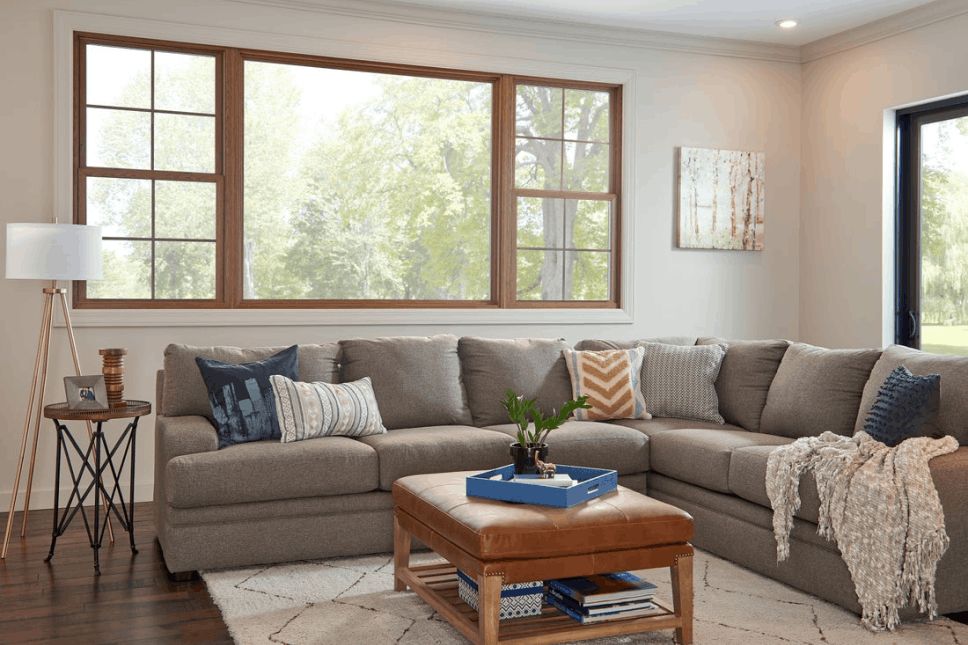
If you've ever sat near a window on a January night and felt a cold draft seeping through the frame, you already know that windows are about more than just the view. They're a front line against the kind of winters we see all the time in Michigan, and when your frames start failing, your whole house feels it.
When it's time to replace your windows, most homeowners focus on the glass –understandably so. But the frame material is just as important. It affects how well your windows insulate, how much ongoing maintenance they'll need over the years, and how long they'll last through Michigan’s frigid freezes (and thaws, for that matter).
The three most common window frame materials you'll encounter during your research are vinyl, wood, and aluminum. Each has real strengths and real tradeoffs – particularly when you’re shopping for energy-efficient replacement windows in a cold-climate state like Michigan. Here's what you need to know before you decide.
What are window frames made of?
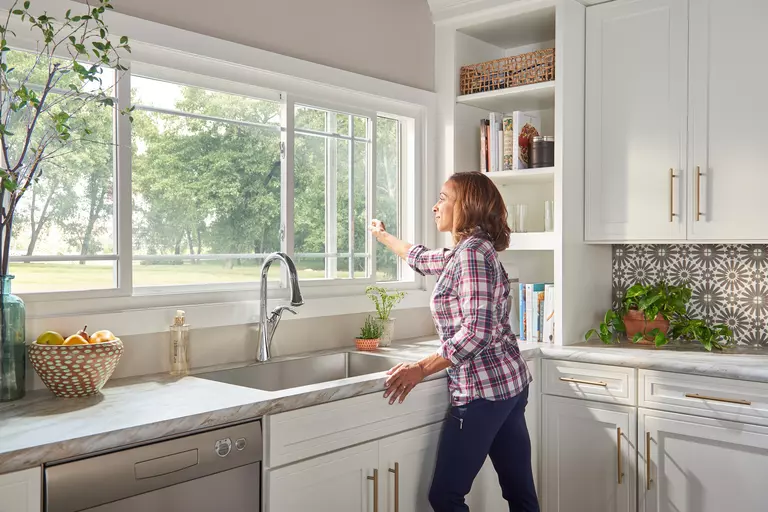
The window frame is the structural border that surrounds and supports the glass unit. It's what gets attached to your home's wall opening, and it does far more than just hold the glass in place. The frame plays a major role in how well a window insulates, how it stands up to weather, and how much work it takes to keep it looking good.
The three main frame materials used in residential replacement windows today are vinyl, wood, and aluminum. Your best fit depends on a few key factors:
- Your climate
- Your budget
- How much maintenance you're willing to take on
- The look you're going for
Across the Great Lakes region, where winters are long and cold, summers bring real humidity, and temperatures can swing dramatically in a single week, the climate is even more important. So let’s take a look at each of these window frame materials in turn, starting with vinyl.
Vinyl window frames
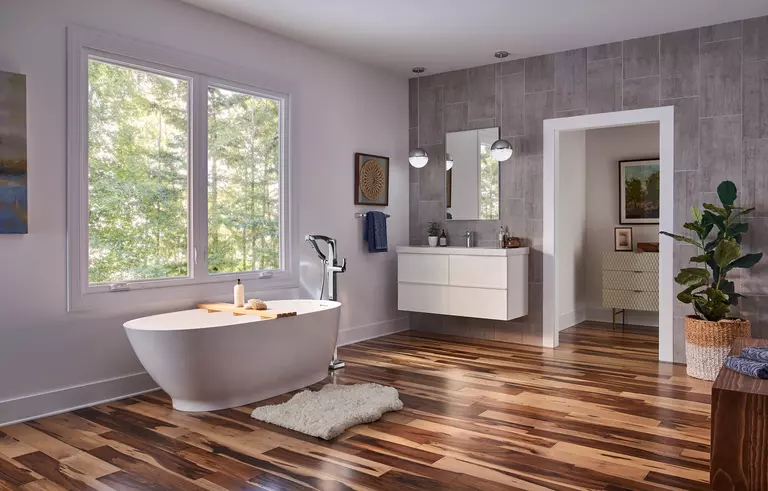
Vinyl – short for polyvinyl chloride, or PVC – has become the most popular window frame material in the U.S., and for good reason. It offers an impressive combination of energy efficiency, durability, and low maintenance at a price point that makes sense for most homeowners.
From an energy standpoint, vinyl frames are natural insulators. Unlike metal, vinyl doesn't conduct heat or cold readily, which means it helps keep warm air inside your home in winter and hot air out in summer, without requiring any special engineering to get there.
Quality vinyl windows won't warp, rot, corrode, or blister, even after years of exposure to Michigan's wide temperature range. And because the color goes all the way through the material rather than sitting on the surface, you won't ever need to paint or seal vinyl window frames.
There are a few limitations worth knowing, though. Vinyl frames offer fewer color options than wood, and unlike wood, they can't be repainted if you change your mind later. Lower-quality vinyl can also expand and contract more noticeably in extreme temperatures. That's why quality matters: A well-manufactured vinyl frame performs significantly better over the long haul than a lower-end product.
Why vinyl is especially well-suited for Mid-Michigan homes

In a climate like Michigan's, vinyl's strengths line up particularly well with what homeowners actually need. Cold winters demand windows with a low U-factor – a measure of how well a window resists heat loss – and vinyl frames naturally support strong thermal performance without added hardware or cost.
Moisture resistance is another major benefit here. Between heavy snowfall, spring rain, and the humidity that settles across Mid-Michigan during warmer months, frames that absorb water are frames that will eventually fail. Vinyl doesn't absorb moisture, so it won't swell, rot, or develop mold issues the way untreated wood can.
Plus, practically speaking, low maintenance requirements matter a lot in a climate with demanding seasonal transitions. Vinyl frames ask very little of you – no seasonal painting, no caulking, no sealing. That's time and money you get to keep.
Wood window frames
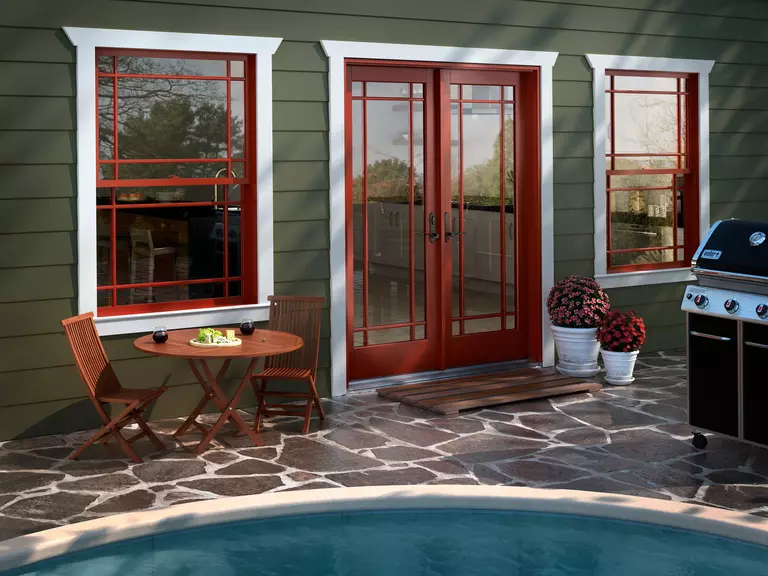
There's a reason wood windows have been around for centuries: They're beautiful. A well-crafted wood frame brings warmth and character to a home that other materials have a hard time replicating. Wood is also a natural insulator, and it can be painted or stained in virtually any color, giving homeowners real flexibility in how their windows look both inside and out.
Wood-clad frames are a popular middle-ground option worth considering. These hybrid frames have a wood interior – for that classic look and feel – with an aluminum or vinyl exterior shell that provides weather protection. Clad wood reduces, but doesn't eliminate, the maintenance demands of a traditional wood frame.
The tradeoffs for Michigan homeowners are significant, however. Wood frames come with higher upfront costs, and they require consistent, ongoing maintenance – painting, sealing, and regular inspection for moisture damage and rot. Left unchecked, water intrusion can compromise a wood frame relatively quickly, especially in a climate defined by freeze-thaw cycles and seasonal humidity.
All in all, wood windows are a great choice for homeowners who love the aesthetic and are genuinely committed to the upkeep. But they're not a low-maintenance or particularly affordable option by any means.
Aluminum window frames

Aluminum window frames are extremely durable and structurally strong. Their slim profile allows for more glass area relative to frame size (a nice design advantage for larger windows or contemporary architectural styles). Aluminum also holds its shape well over time and resists corrosion.
The core challenge with aluminum in a cold climate is heat transfer. Metal is a natural conductor, which means aluminum frames readily move heat and cold right through them. In winter, that translates to frames that feel icy to the touch and windows that underperform on insulation: the opposite of what a Michigan home needs from November through March.
A thermal break – an insulating barrier built into the frame that interrupts the path of heat transfer – can meaningfully improve aluminum's energy performance. But it adds cost and complexity, and even thermally broken aluminum typically doesn't match vinyl's insulating performance in cold-climate residential applications.
Comparing window frame materials: which is right for your home?
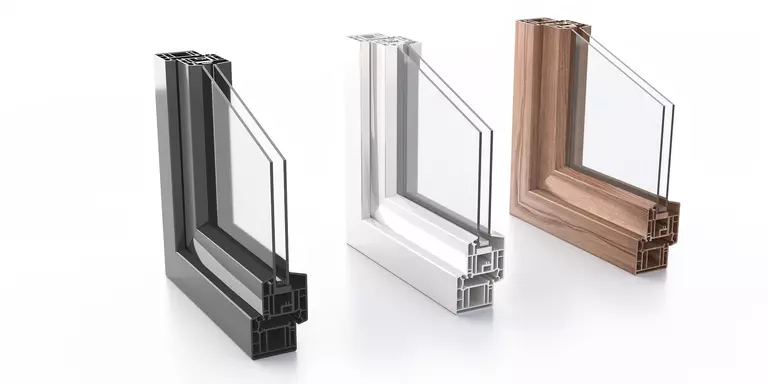
When it comes down to it, choosing the right frame material is about matching the product to your priorities. A few key questions can help you narrow it down:
- What's your budget? Vinyl offers strong performance at an accessible price. Wood carries a higher upfront cost, plus ongoing maintenance expenses. Aluminum with a thermal break also runs higher than vinyl.
- How much maintenance are you willing to take on? Vinyl asks almost nothing of you year to year. Wood demands consistent attention – painting, sealing, and inspection. Aluminum sits somewhere in between.
- What does your home's style call for? If a traditional aesthetic is important to you – particularly in a historic home – wood or clad wood may be worth the investment. For most modern and transitional homes, however, quality vinyl windows deliver on both performance and appearance.
- What does your climate demand? In Michigan, cold winters, significant moisture, and wide seasonal temperature swings all favor a frame material that insulates well, resists moisture, and holds up without a lot of intervention. On all three counts, vinyl is the practical frontrunner for most homeowners in this region.
Find the best windows (and frames) at Window World of Mid-Michigan
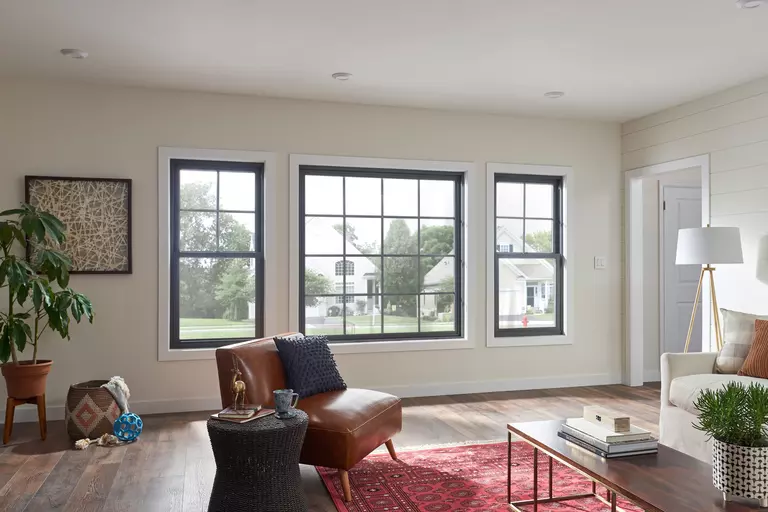
If you're weighing your options and want to see quality vinyl windows up close, Window World of Mid-Michigan is a great place to start. Our ENERGY STAR rated vinyl windows are backed by a lifetime limited warranty and built from US-sourced materials, all designed to handle what Michigan winters actually look like. And as part of America's largest exterior remodeling company, our team provides national product quality with the kind of personalized service you'd expect from a locally owned business.
Ready to find the right windows for your Mid-Michigan home? Window World of Mid-Michigan offers free in-home consultations to help you explore your options and get a clear picture of what replacement windows would look like for your home and your budget. Request your free quote to get started.